SIGMA has long been the maverick of the camera world, carving out a devoted following thanks to its unconventional approach to image sensors, and now the company's leadership has offered fresh insight into one of the most talked-about projects in the photography industry. The long-awaited full-frame Foveon X3 sensor has been through a rocky development journey, but recent comments from the top suggest that momentum is finally building again, even if patience remains the order of the day for eager photographers watching from the sidelines.
The essentials
- SIGMA's CEO Kazuto Yamaki has confirmed that the development of the long-awaited full-frame Foveon X3 sensor is progressing toward completion this year.
- The project suffered significant delays and a complete restart after the company decided to terminate a contract with a manufacturing partner rather than release a flawed product.
- The Foveon X3 sensor utilizes a unique three-layer structure that captures light differently than conventional Bayer sensors, aiming for superior color accuracy and texture detail.
- Engineering teams have been focused on overcoming technical hurdles related to image noise, which proved difficult to manage when scaling the sensor to full-frame dimensions.
- SIGMA has maintained that the new full-frame camera will be compatible with the brand's existing lens ecosystem, protecting previous investments for loyal photographers.
- The project is currently moving into its final development stage, with the company aiming to leverage its innovations across a broader range of camera products in the future.
Sigma's revolutionary full-frame foveon x3 sensor: a game-changer in photography
Breaking new ground: the ceo's announcement and its implications
Back in September 2018 at Photokina, SIGMA's chief executive Kazuto Yamaki stood before the world and unveiled ambitions to create a full-frame version of the brand's signature sensor technology. The announcement sent ripples through the photography community, with many assuming a release would follow within a couple of years. That timeline, as it turned out, proved wildly optimistic. What was originally pencilled in for 2019, then pushed to 2020, has since undergone a much more complicated path, including a full project restart and the termination of a contract with the sensor manufacturer SIGMA had been working alongside. Rather than patching up an unworkable design, the company chose to go back to the drawing board entirely, essentially starting the research and development of the X3 sensor from scratch.
This is no small admission for a company of SIGMA's stature. Yamaki has been refreshingly candid about the setbacks, offering apologies to customers whose expectations have shifted considerably since that original 2018 unveiling. Rather than rushing out a compromised product, SIGMA appears determined to get the underlying sensor technology right, even if that means disappointing news in the short term. The willingness to admit development delays publicly, rather than quietly shelving the project, has actually earned the brand a fair amount of goodwill among its loyal customer base.
Technical Advancements in Image Quality and Autofocus Performance
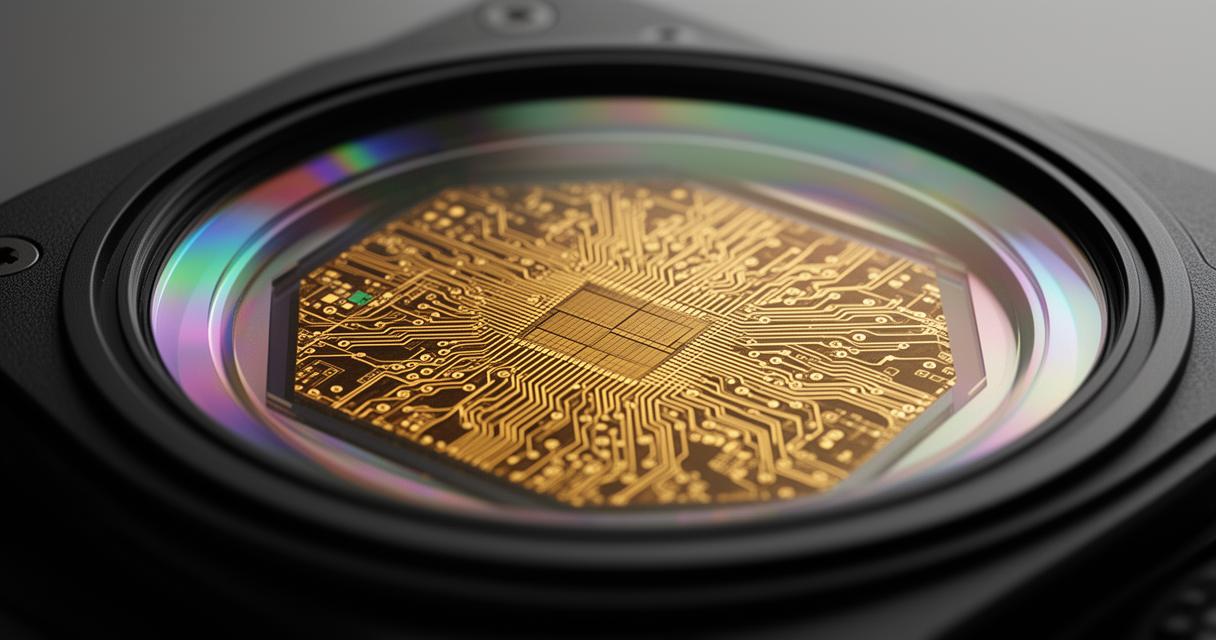
At the heart of this whole endeavour lies the Foveon sensor's distinctive three-layer structure, which captures colour information in a fundamentally different way to conventional Bayer sensors. Instead of relying on a colour filter array and interpolation, each layer absorbs different wavelengths of light directly, resulting in exceptional colour accuracy and remarkably crisp detail. The previous iteration of this technology was a 20-megapixel sensor, though notably smaller than a true full-frame format, and scaling that architecture up to full-frame dimensions has proven to be an enormous technical challenge.
The main sticking point, according to SIGMA, has been noise, which becomes increasingly problematic as sensor size grows and as demands for better low-light performance intensify. Development has been broken down into three distinct stages, and as of 2022, the project was sitting in Stage 2, wrestling with these noise-related technical challenges. Progress reports at the CP+ Show in Yokohama have offered a glimmer of hope, with Yamaki suggesting that movement into Stage 3 could happen this spring or summer, marking a meaningful step forward after a period where little seemed to be happening publicly.
Expanding creative possibilities: lens compatibility and practical applications
Seamless Integration with SIGMA's Existing and New Lens Ecosystem
One of the more reassuring aspects of this whole saga is that SIGMA has consistently emphasised compatibility with its existing lens ecosystem. Photographers who have invested in SIGMA glass, whether prime lenses or versatile zoom options, will want assurance that any new full-frame Foveon camera will make the most of their existing kit rather than demanding an entirely new set of purchases. The brand's history of designing lenses that pair beautifully with its unique sensor technology suggests this compatibility will remain a priority as development continues.
There's also an expectation that new lens designs might emerge alongside the sensor itself, specifically engineered to exploit the particular strengths of the Foveon architecture. This kind of holistic approach, where camera body and glass are developed in tandem, has always been part of what makes SIGMA's offerings feel considered rather than rushed.
Superior Image Capture Capabilities for Professional and Enthusiast Photographers
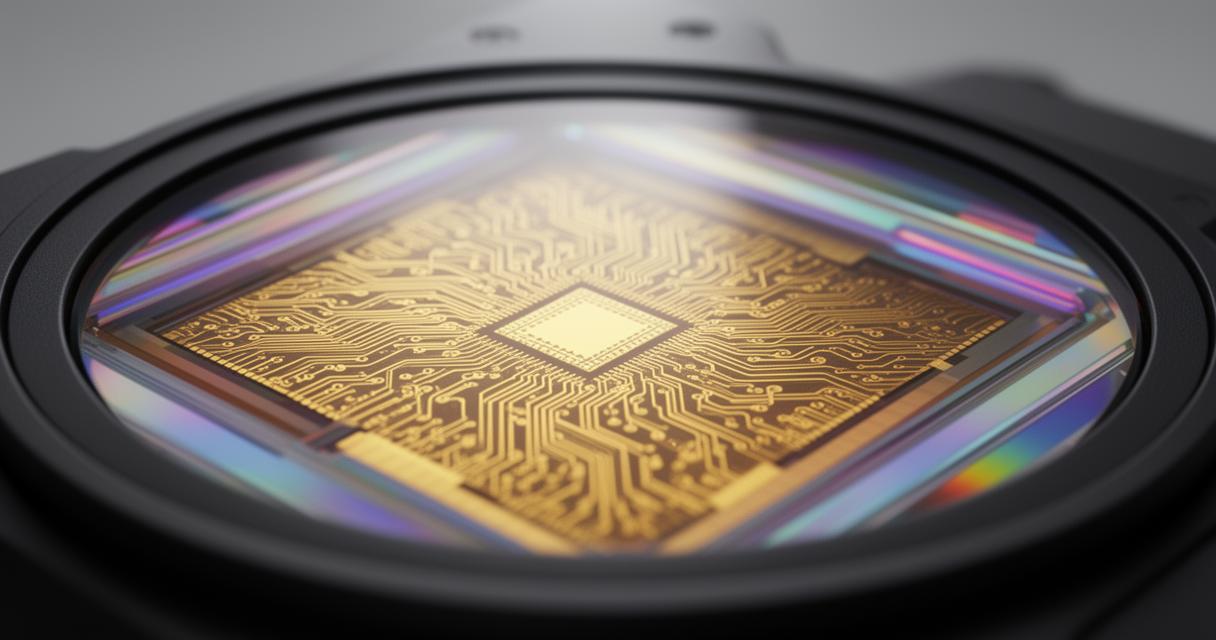
For photographers who prize colour fidelity above almost everything else, the appeal of a full-frame Foveon sensor is obvious. Landscape and studio photographers in particular have long championed the Foveon system for its uncanny ability to render subtle tonal gradations and fine textures that other sensor types sometimes struggle to reproduce. A larger sensor format would theoretically bring improved dynamic range and better performance in trickier lighting conditions, addressing one of the technology's traditional weak points. SIGMA's broader ambitions also extend into hybrid APS camera technology, hinting at a wider strategy where innovations trickle across the company's various product lines rather than being confined to a single flagship device.
Global Anticipation and What Lies Ahead for SIGMA's Innovation
Worldwide client interest and market reception
Despite the delays, or perhaps partly because of the transparency surrounding them, interest in this project has remained remarkably strong across international markets. SIGMA has built a reputation as a company willing to take risks that larger manufacturers often avoid, and that reputation has cultivated a passionate, patient customer base. Yamaki has repeatedly expressed gratitude for this support, acknowledging that photographers around the world have stuck with the brand through years of uncertainty about when, or even whether, this sensor would ever see the light of day.
Production timeline and forthcoming exhibition announcements
Looking ahead, SIGMA still isn't prepared to commit to a firm release date, a decision that reflects lessons learned from previous overpromising. What Yamaki has offered instead is cautious optimism, with hope pinned on finally moving beyond Stage 2 before the year is out. A prototype has already undergone evaluation with encouraging results, giving the development team genuine confidence that they're heading in the right direction this time. Further updates and possibly a formal exhibition announcement are expected to follow as the project edges closer to Stage 3, and while SIGMA readily admits this remains something of a niche product within the broader camera market, the company clearly believes the payoff in image sensor technology will be worth the wait for those who value photography innovation above convenience.