
Electric scooters have become a familiar sight on city streets, offering a convenient way to zip through traffic and cut down on commuting time. For many riders, though, the factory-set speed limit can feel restrictive, especially once you've grown accustomed to your machine and want a bit more thrill from your journey. Whether you're after a sharper commute or simply curious about what your scooter is truly capable of, there are several ways to boost performance safely and sensibly.
In short
- Upgrading to a higher voltage battery can increase top speed, but riders must ensure strict compatibility to prevent motor damage or overheating.
- Replacing the motor controller or tweaking firmware can unlock higher current flow and remove factory-imposed speed restrictions.
- Maintaining optimal tyre pressure is a simple but effective way to reduce rolling resistance and improve overall scooter efficiency and speed.
- Utilizing pre-programmed sport modes via the scooter's control panel or app is the safest way to access higher performance levels without physical modifications.
- Performance potential varies significantly by brand, making thorough research into manufacturer-specific engineering and online community forums essential before attempting upgrades.
- Advanced modifications like adding a shunt to the controller require technical expertise and carry significant risks of hardware failure if not performed correctly.
- Safety should remain the top priority, requiring riders to use protective gear and monitor component temperatures to prevent damage or accidents.
Essential hardware modifications to enhance your electric scooter's velocity
Battery upgrades and power management techniques
The battery sits at the very heart of any electric scooter's performance, dictating not just how far you can travel but also how quickly you can get there. A higher voltage battery pack can noticeably lift your top speed, as the motor receives more electrical pressure to work with. That said, swapping batteries isn't something to rush into blindly; compatibility with your scooter's existing wiring and motor rating matters enormously, and getting this wrong can lead to overheating or premature component failure. Many enthusiasts also look at power management as a complementary approach, ensuring the battery discharges efficiently without unnecessary voltage sag during acceleration. This is one of those upgrades where doing your homework pays off, as different scooter chassis handle voltage increases differently.
Controller and Firmware Enhancements for Optimal Motor Performance
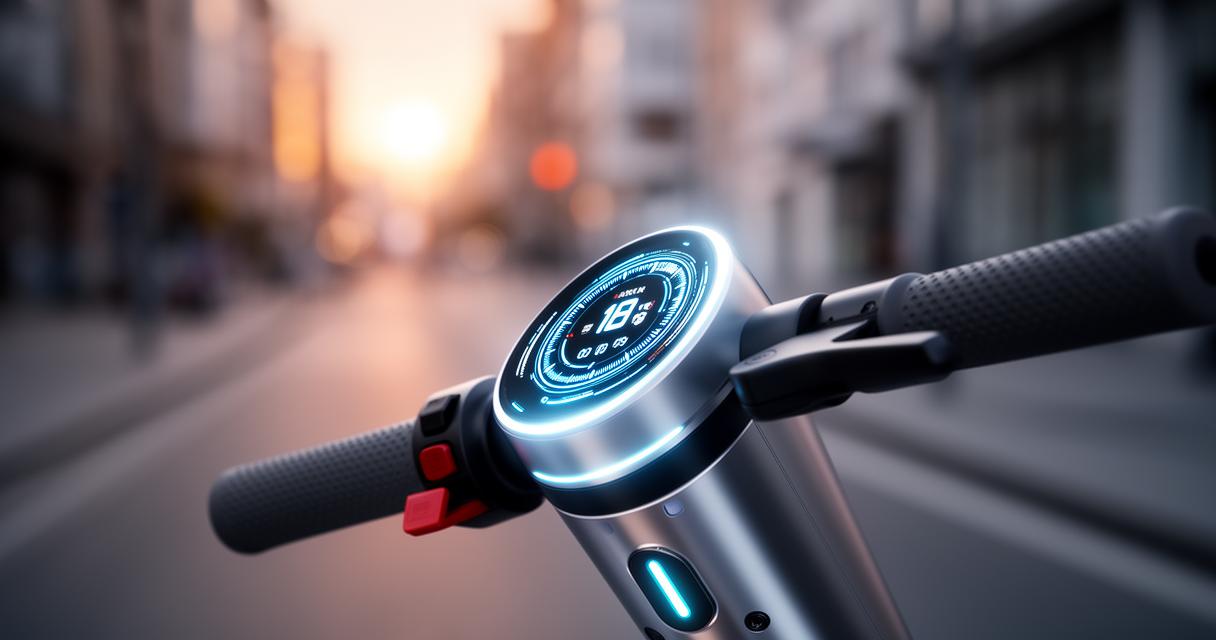
Beyond the battery, the controller acts as the brain coordinating how power flows to the motor, and upgrading it can unlock noticeable gains. A more capable controller allows higher current to pass through, which translates into stronger acceleration and a higher ceiling for top speed. Alongside hardware, firmware tweaks have become increasingly popular among riders who want to fine-tune their scooter's behaviour without swapping out physical parts. Adjusting firmware settings can sometimes reveal a mandatory speed unlock hidden within the software, allowing the scooter to exceed its factory-imposed limit. It's worth noting that firmware changes vary enormously between manufacturers, so what works on one model may not transfer neatly to another.
Performance optimisation through proper maintenance and riding techniques
Tyre Pressure Management and Its Impact on Speed Capabilities
It's easy to overlook something as simple as tyre pressure, yet it plays a surprisingly large role in how fast and efficiently your scooter travels. Underinflated tyres create more rolling resistance, forcing the motor to work harder just to maintain speed, which in turn drains the battery faster and blunts acceleration. Keeping tyres properly inflated according to manufacturer guidance not only improves speed potential but also enhances handling and stability, particularly when cornering or riding over uneven surfaces. Regularly checking pressure before longer rides is a small habit that pays dividends in both performance and safety.
Unlocking performance modes and understanding electronic component limitations
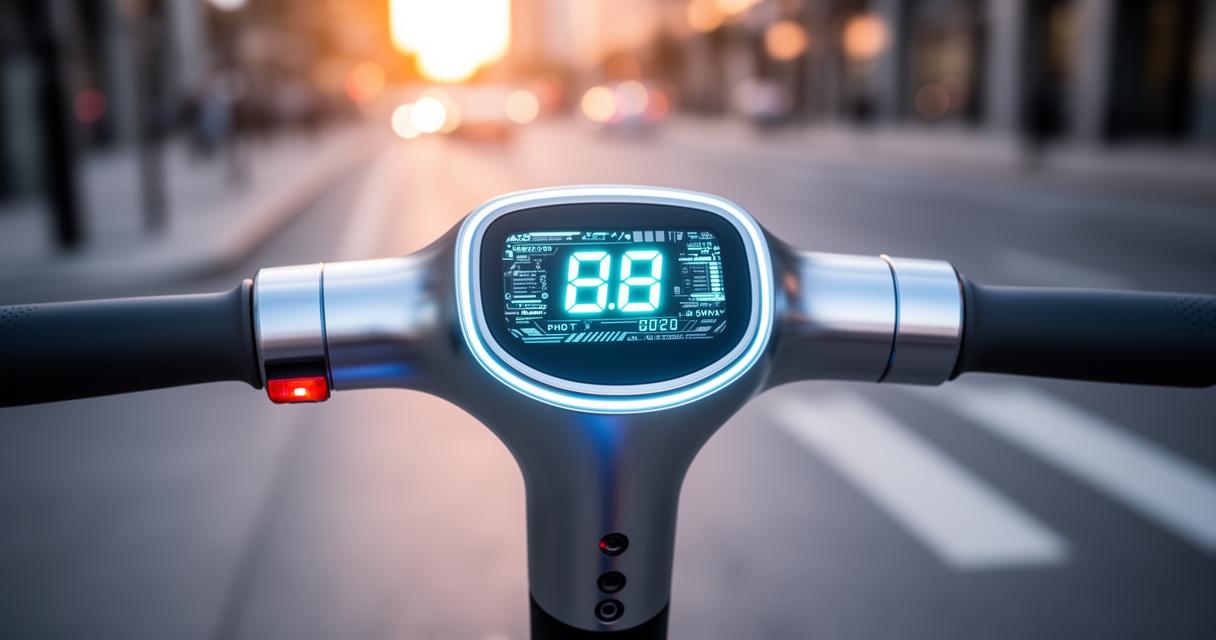
Most modern scooters come equipped with multiple riding modes, and switching into a dedicated performance or sport setting can often reveal a higher top speed than the default eco or standard mode allows. This adjustment is usually accessible through the scooter's control panel or companion app, making it one of the simplest ways to experience a speed boost without any technical tinkering. However, it's essential to respect the limitations of the electronic components involved. Motors, controllers, and batteries are all engineered within certain tolerances, and pushing them consistently beyond their intended range can shorten their lifespan or cause sudden failures. Riders should also keep an eye on the LCD screen throughout their journey, as it provides real-time feedback on speed and remaining battery charge, helping to avoid unexpected power loss mid-ride.
Brand-specific speed capabilities and modification strategies
Comparative analysis of leading electric scooter manufacturers
Not all scooters are built with the same performance ceiling in mind, and understanding your specific brand's engineering approach makes a real difference when planning upgrades. Some manufacturers design their models with generous headroom for speed increases, while others impose stricter software locks that are considerably harder to bypass. Riders often find that:
- Certain premium brands offer official performance upgrade kits, providing a safer and warrantied route to increased speed.
- Budget models may have more room for aftermarket tweaks but often lack the component durability to handle sustained higher speeds.
- Community forums dedicated to specific brands are invaluable resources, as experienced riders frequently share tested methods and cautionary tales.
Doing thorough research before attempting any modification is crucial, since what works beautifully on one manufacturer's scooter could cause irreversible damage on another.
Advanced Tuning Methods and Safety Considerations for Maximum Velocity
For those wanting to push further, more advanced techniques exist, though they come with increased responsibility. One method involves fitting a shunt to the motor controller, a small modification that can trick the system into delivering more current than originally intended, effectively unlocking additional power. This approach requires a decent understanding of electronics, as improper installation can damage the controller or create safety hazards. Whatever route you choose, safety must remain the priority throughout the process. Wearing appropriate protective gear, testing modifications gradually rather than all at once, and monitoring your scooter's temperature and behaviour after changes are all sensible precautions. Speed is exciting, but it should never come at the expense of your wellbeing or that of others sharing the road. With careful research, patience, and a respect for your scooter's engineering limits, you can enjoy a noticeably faster ride while keeping risks firmly in check.