
Keeping tabs on the weather just outside your door has never been easier, thanks to a new generation of outdoor thermometers that blend clever engineering with genuine ease of use. Whether you're a keen gardener, a weather enthusiast, or simply someone who likes to know if it's worth grabbing a coat before heading out, choosing the right device can make a real difference to your daily routine. With so many options on the market, we've taken a close look at what's worth your attention in 2025.
What to know
- Modern outdoor thermometers now feature wireless connectivity and digital displays, allowing users to monitor temperature and humidity from inside their homes.
- Durability is a critical factor, with the best models utilizing UV-resistant materials and sealed components to withstand harsh weather conditions.
- Premium weather stations, such as those from Ambient Weather and Netatmo, offer advanced features like smart home integration and air quality monitoring.
- Budget-friendly thermometers remain a reliable option for users who prioritize simplicity and cost-effectiveness without sacrificing essential accuracy.
- To ensure precise data, sensors should be installed in shaded, well-ventilated locations away from direct sunlight and artificial heat sources.
- When selecting a device, homeowners should consider the measurement range and consistency of the unit to ensure it performs well in their specific climate.
Essential Features to Look for in Modern Outdoor Thermometers
Wireless connectivity and digital display technology
Gone are the days when you had to squint at a tiny mercury gauge nailed to the garden fence. Today's wireless thermometers use radio signals or Wi-Fi to send readings straight to a base station or smartphone app, meaning you can check the temperature from the comfort of your sofa. A crisp digital display is now practically standard, and many models throw in humidity readings, barometric pressure, and even air quality data alongside the basic temperature figure. This shift towards connected devices has genuinely transformed how households monitor their surroundings, and it's a trend that shows no sign of slowing down.
Weather Resistance and Durability for Year-Round Use
An outdoor thermometer is only as good as its ability to withstand the elements it's meant to measure. Look for units with a solid weatherproof casing that can shrug off rain, frost, and blazing sunshine without the display fogging up or the electronics packing in. Durability matters enormously here, since a thermometer that fails after one soggy winter is hardly a bargain, no matter how cheap it was to begin with. The best models are built with UV-resistant plastics and sealed battery compartments, giving them the staying power to handle whatever the British weather throws at them.
Comprehensive Review of the Top 10 Outdoor Thermometers for 2025
Premium digital weather stations with smart home integration
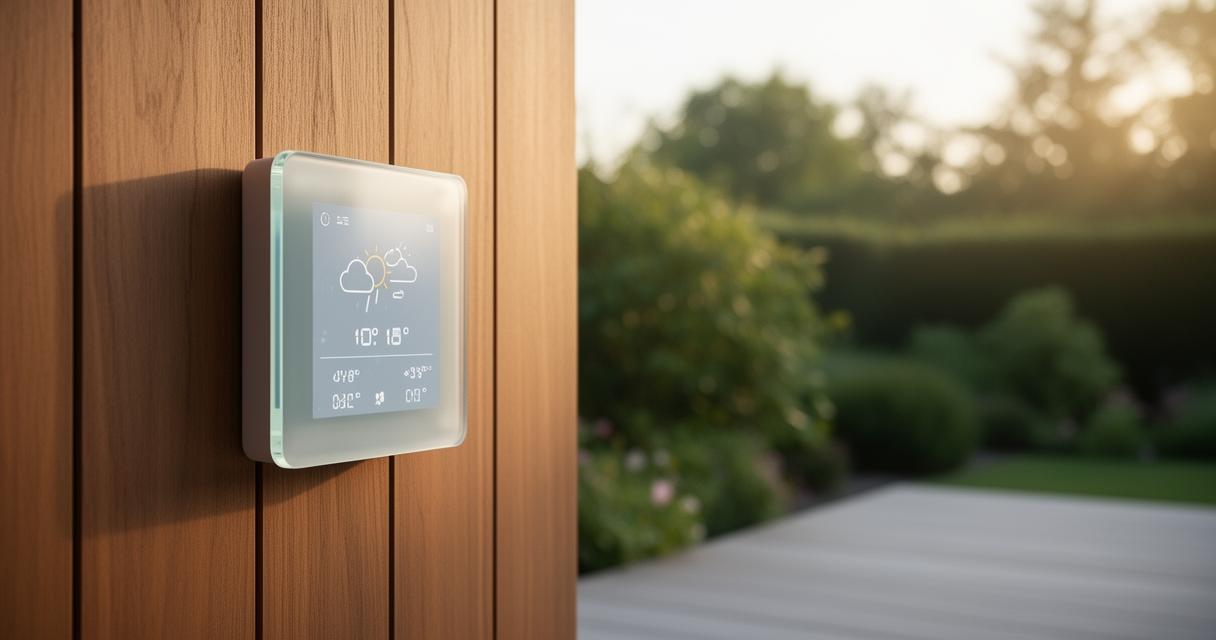
At the top end of the market sits the TFA Dostmann Wireless Thermometer, prized for its clear LCD screen showing both temperature and humidity, and its flexible wireless design that suits almost any spot around the house. The ThermoPro TP65 Digital Wireless Hygrometer follows closely behind, offering simultaneous indoor and outdoor readings alongside impressive long-range performance. For those wanting the full picture, the La Crosse Technology Wireless Weather Station delivers temperature, humidity, and barometric pressure in one tidy package, while the Ambient Weather WS-2902C goes further still, tracking wind speed and syncing effortlessly with a smartphone. Rounding out the premium tier is the Netatmo Weather Station, a stylish smart device that also monitors air quality, making it a smart addition to any connected home.
These higher-end options share a few things in common:
- Smart home compatibility for remote monitoring
- Multiple environmental readings beyond simple temperature
- Sleek, modern designs that fit discreetly into any garden or balcony
Budget-friendly options that don't compromise on accuracy
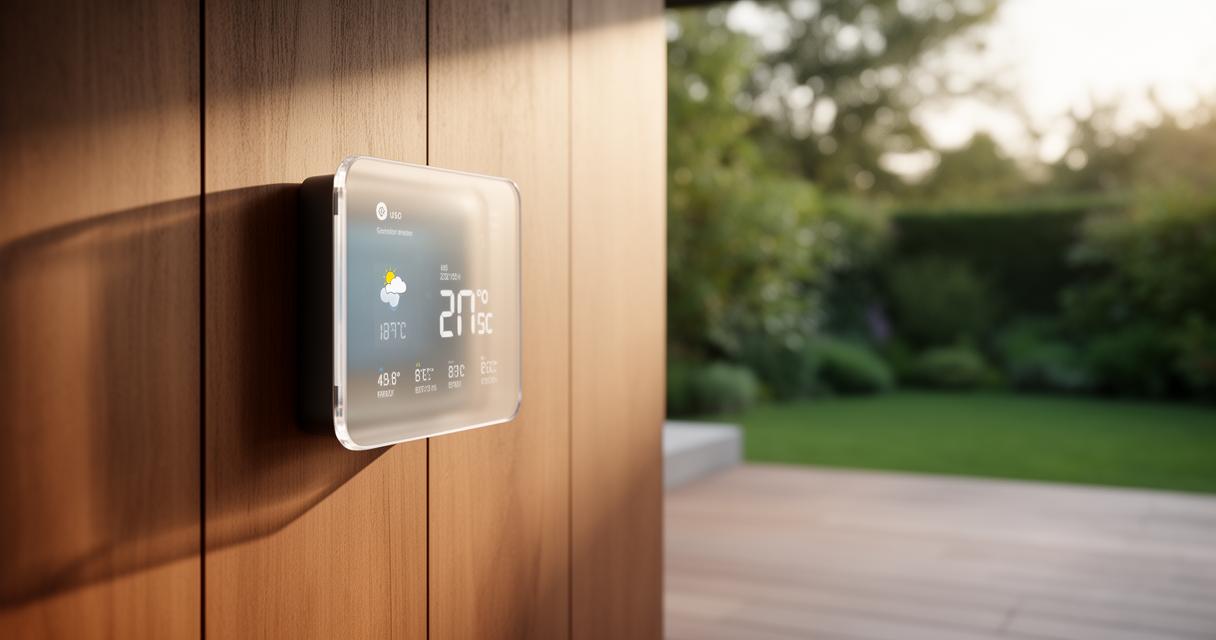
Not everyone needs a full weather station, and thankfully there are plenty of affordable choices that still deliver dependable results. The AcuRite 00899 Wired Outdoor Thermometer appeals to traditionalists who prefer a straightforward wired setup, built to withstand the elements over the long haul. The Bryte Outdoor LCD Thermometer stands out for its oversized screen, perfect for reading from a distance without squinting. Meanwhile, the Oregon Scientific Wireless Thermo-Hygrometer combines a compact footprint with genuine style, ideal for a windowsill perch. The Etekcity Digital Hygrometer/Thermometer remains a favourite for budget-conscious buyers thanks to its solid accuracy at a fraction of the cost, and the Kestrel 2500 Pocket Weather Meter is a brilliant pick for anyone who needs a portable device that also measures wind and humidity during outdoor pursuits.
Choosing the Right Outdoor Thermometer for Your Home
Understanding temperature precision and measurement range
When comparing models, it pays to look beyond the price tag and consider the actual measurement range and precision on offer. Some budget devices can lose accuracy at extreme temperatures, which matters if you live somewhere prone to sharp cold spells or scorching summers. A quality thermometer should maintain consistent readings across a wide range, giving you confidence that the number on the screen genuinely reflects what's happening outside, rather than a rough estimate.
Placement Considerations and Installation Tips for Optimal Readings
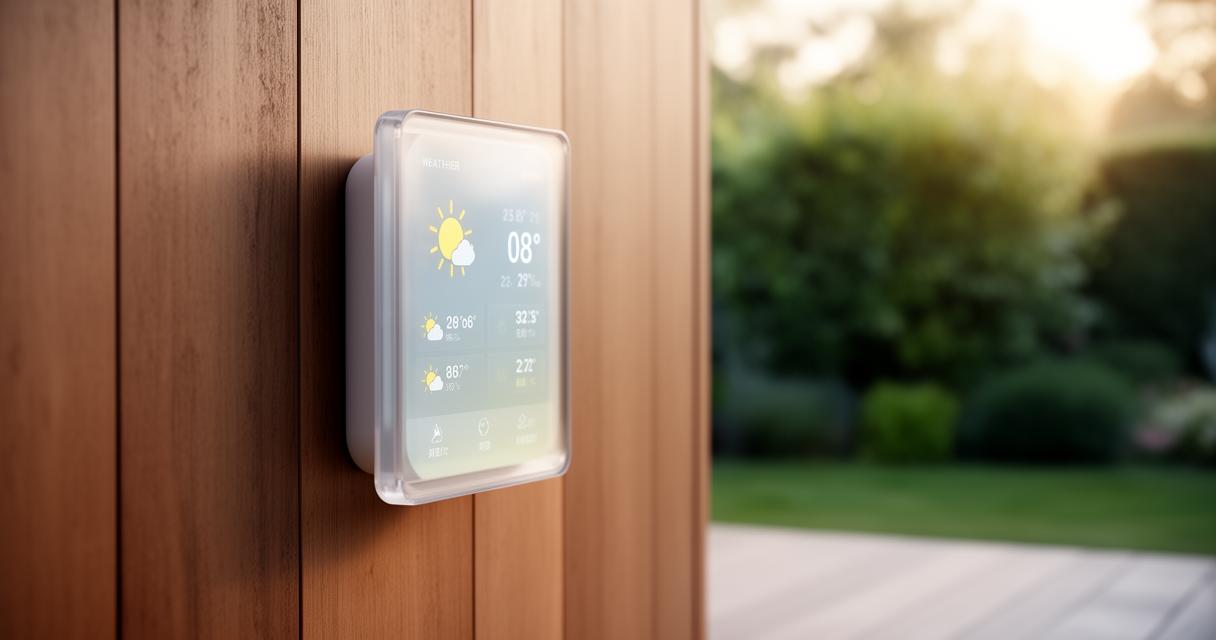
Even the most sophisticated device will give misleading results if it's mounted in the wrong spot. Direct sunlight, proximity to walls that radiate heat, and sheltered corners that trap warm air can all skew readings significantly. For the most reliable data, position your sensor in a shaded, well-ventilated area away from artificial heat sources, ideally at a similar height to where you'd naturally feel the temperature yourself. Taking a little care with installation pays off enormously in the accuracy you'll enjoy day after day.
Ultimately, the ideal choice depends on your particular needs, whether that's a comprehensive smart weather station or a simple, no-fuss gauge for the back garden. Weighing up price, build quality, and the precision of the data on offer will help you land on a thermometer that suits your home perfectly, and retailers such as Amazon typically stock the full range of these options, making comparison shopping straightforward before you commit to a purchase.