Choosing the correct projector lamp is one of those decisions that can make or break your viewing experience, whether you're setting up a home cinema or running presentations for work. A quality bulb doesn't just affect brightness, it influences colour accuracy, longevity, and ultimately how much value you get from your projector over its lifetime. With so many options available, from budget compatible lamps to premium original manufacturer parts, understanding what separates a good purchase from a poor one can save you both money and frustration down the line.
The essentials
- Projector lamps are categorized into three main types: OEM (Original Equipment Manufacturer), hybrid 'original bulb inside' units, and cheaper compatible generic versions.
- It is critical to match the exact lamp model number to your projector to prevent overheating, image distortion, or potential damage to the device.
- The choice of lamp directly impacts visual performance, as high-quality bulbs provide superior brightness, colour accuracy, and contrast compared to low-grade alternatives.
- Users should select a lamp with a lumen output tailored to their specific environment, opting for higher brightness in well-lit rooms and lower levels for dedicated cinemas.
- Extending lamp lifespan can be achieved by utilizing eco mode, minimizing power cycles, and maintaining clean air filters and proper unit ventilation.
- Purchasing a lamp with its own housing is recommended to simplify installation and reduce the risk of accidental damage during the replacement process.
- Buyers should source products from reputable retailers and verify compatibility against original specifications to avoid premature failure or subpar performance.
Understanding projector lamp technology and types
When it comes to replacement bulbs, there are essentially three categories worth knowing about. The first is the Original Equipment Manufacturer, often shortened to OEM, which is produced by the same company that made your projector or an authorised partner. These lamps tend to offer the best brightness, reliability, and lifespan, though they usually carry the highest price tag. Then there are hybrid lamps, sometimes labelled as Original Bulb Inside, which use a genuine bulb housed in a third-party casing. This gives you good brightness and performance at a more affordable price point than a full OEM unit. Finally, there's the compatible or generic category, which is the cheapest option but varies considerably in quality and how long it will actually last.
Comparing led, incandescent, and original lamp models
Beyond the OEM versus hybrid versus compatible distinction, it's worth understanding the underlying bulb technology itself. Traditional incandescent-style projector bulbs have long been the standard, but many modern units now rely on LED sources that promise longer operational life and reduced heat output. Brands such as 3M, Acer, Epson, and Sony all produce their own specific lamp models, and it's essential to match the exact model number to your projector rather than assuming a similar-looking bulb will do the job. Mismatched lamps can cause overheating, poor image quality, or even damage to the projector housing itself.
How lamp technology impacts your home cinema experience
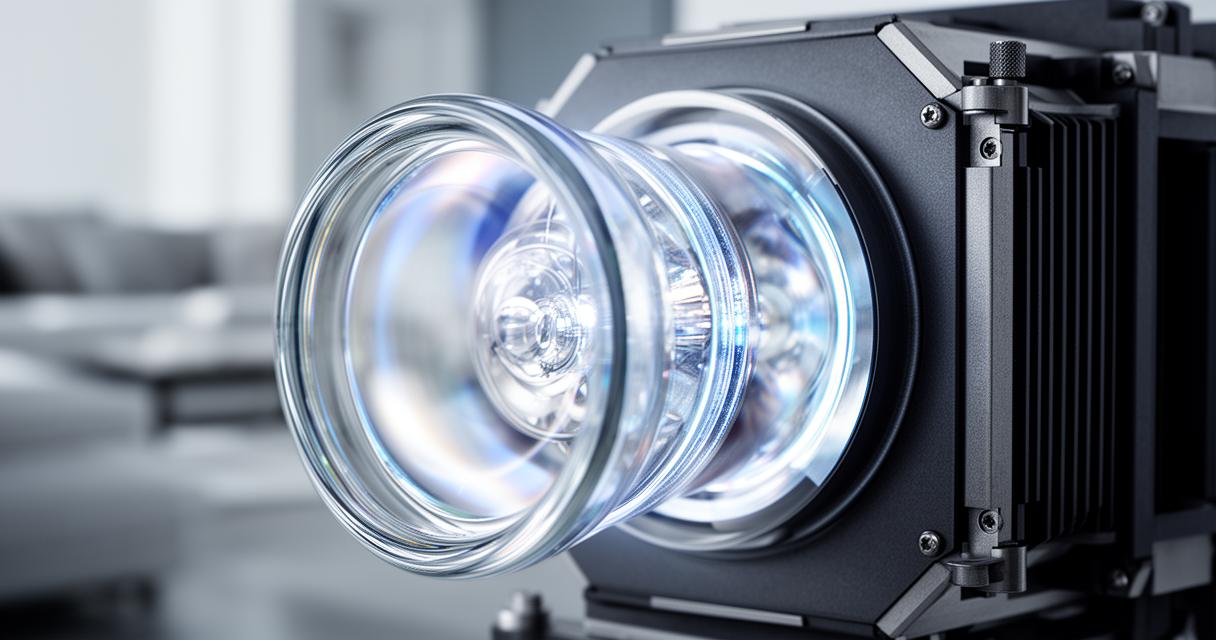
For anyone serious about their home cinema setup, the lamp technology you choose has a direct bearing on picture quality. A high-quality bulb produces richer colours and sharper contrast, while a failing or low-grade lamp can introduce washed-out tones or uneven brightness across the screen. If you notice a dim image, flickering, unexpected warning messages, or colour distortion creeping into your viewing sessions, these are all classic signs that your projector lamp needs replacing sooner rather than later. Ignoring these warning signs can sometimes lead to further complications within the lamp housing, so it pays to act promptly once symptoms appear.
Evaluating brightness, lifespan, and specifications
Brightness is measured in lumens, and getting this figure right for your specific environment makes a huge difference to how enjoyable your viewing experience will be. A room with lots of ambient light will need a considerably brighter lamp than a darkened home cinema room designed specifically for film watching. It's worth checking your projector's original specifications before purchasing a replacement, as fitting a bulb with insufficient lumens output will leave images looking flat and lifeless regardless of how good the rest of your setup is.
Determining the Right Lumens for Your Projection Requirements
Think carefully about where and how you'll be using your projector before settling on a replacement. Business presentations in brightly lit meeting rooms typically demand higher lumens than a cosy evening film screening. Matching the brightness specification to your actual usage conditions, rather than simply buying the most powerful lamp available, tends to be the smarter and more cost-effective approach.
Assessing Bulb Lifespan for Efficiency and Value
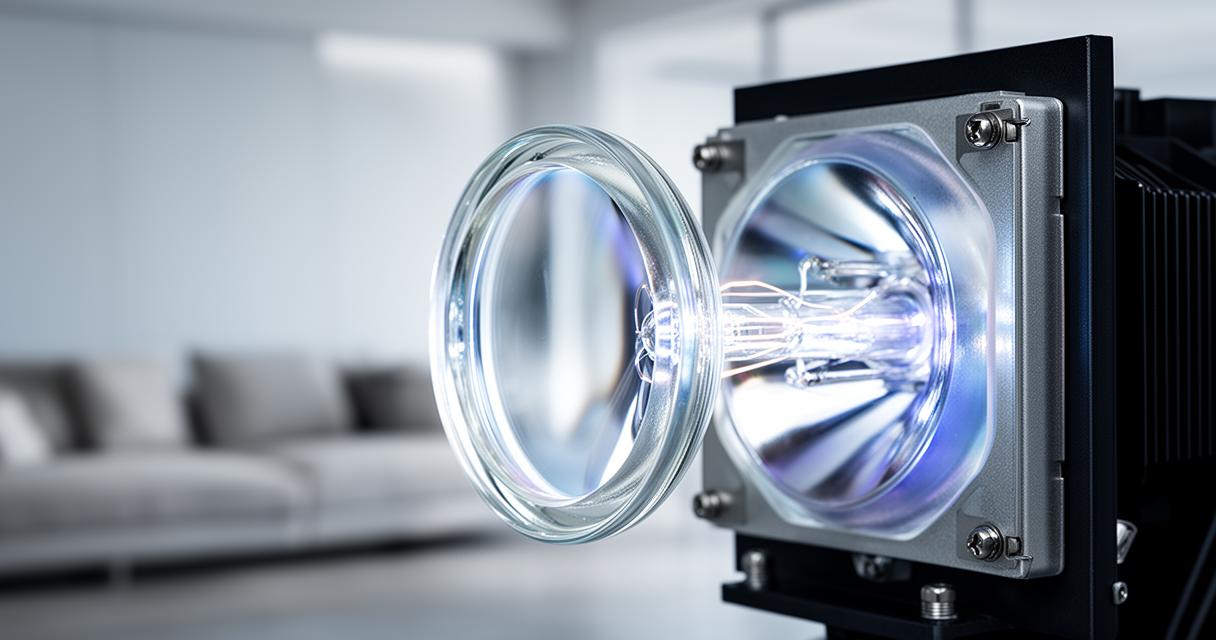
Most projector lamps last somewhere between two thousand and five thousand hours, though this range depends heavily on the type of bulb and how it's used. Running your projector in eco mode whenever possible can significantly extend this lifespan, as can avoiding frequent on and off cycles which place unnecessary strain on the bulb. Keeping air filters clean and ensuring proper ventilation around the unit are simple habits that go a long way towards preserving lamp health. For those wanting the best possible performance, an OEM lamp remains the top choice, while hybrid options offer strong value, and compatible lamps suit those working with tighter budgets.
Finding Exceptional Replacement Lamps at the Best Prices
Once you've decided which type of lamp suits your needs, the next challenge is sourcing it from somewhere trustworthy. Buying a lamp that includes its own housing is generally recommended, as it's far easier to install and significantly reduces the risk of accidental damage during fitting compared to bare bulbs.
Ensuring Compatibility with Original Specifications and Models
Always double-check that any replacement lamp you're considering matches your projector's exact model and original specifications. This is particularly important when shopping for compatible lamps, as quality can vary wildly between sellers, and a poor match risks damaging your projector rather than restoring it to full working order.
Comparing Prices on Amazon and Other Platforms for Quality Deals
Shopping around across platforms like Amazon and dedicated projector retailers can help you find competitive pricing, but it's wise to be cautious of deals that seem too good to be true. Checking prices against detailed product descriptions and buying only from reputable retailers helps you avoid low-quality lamps that fail prematurely. If you're ever uncertain about which lamp suits your projector, reaching out to specialist suppliers based in Newbury, Berkshire, for example, can provide valuable technical support to guide your decision. Taking the time to research thoroughly before purchasing ultimately ensures you get a lamp that delivers reliable brightness, accurate colour, and lasting value for years of enjoyable viewing.