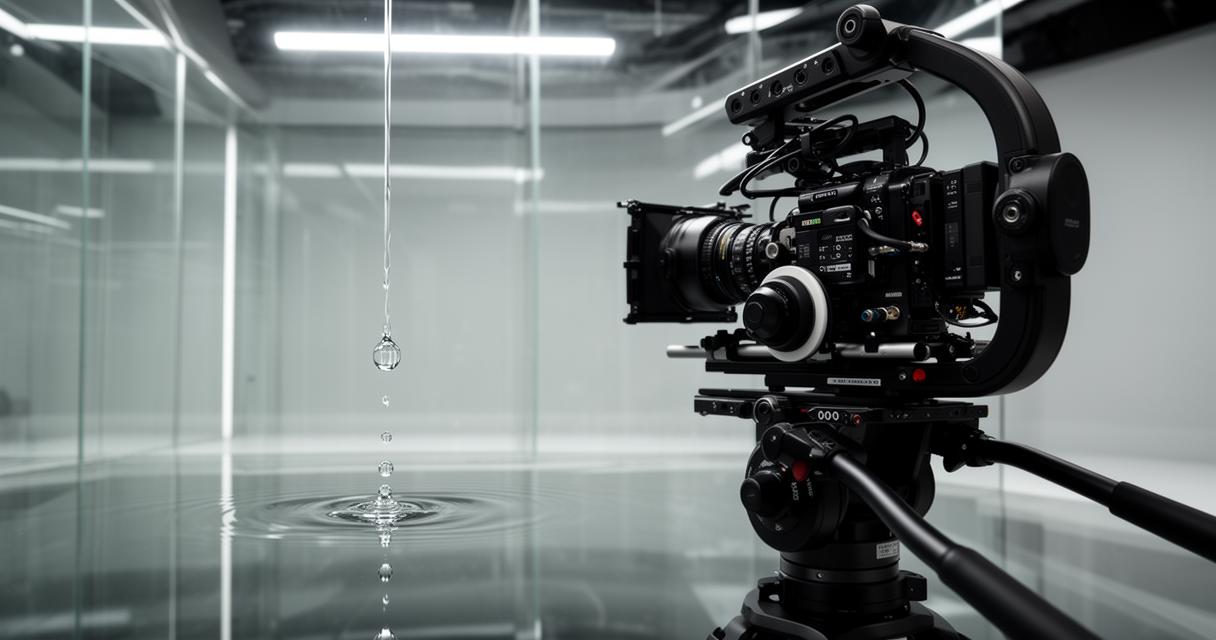
Slow motion has always held a peculiar fascination for anyone who has ever wanted to see the invisible made visible, whether that's a droplet of water bursting on impact or a mechanical component failing under stress. The SuperLoupe has emerged as one of the most talked-about tools in this space, promising to capture the fleeting moments that ordinary cameras simply cannot register. This guide takes a closer look at what makes this device tick, where it fits into professional workflows, and how it measures up against the established names in high-speed imaging.
In brief
- The SuperLoupe features a specialized sensor and processing pipeline designed to maintain high frame rates without compromising data throughput.
- Its unique sensor architecture maximizes light sensitivity, allowing for clear footage even at extremely fast shutter speeds where other cameras struggle with grain.
- In industrial and scientific fields, the camera is essential for detailed analysis in sectors like aerospace, automotive crash testing, and biomechanics.
- Creative professionals utilize the SuperLoupe to produce high-quality, dreamlike slow-motion visuals for advertising, documentaries, and artistic projects.
- Unlike consumer-grade devices like GoPro, the SuperLoupe is engineered for professional-level performance that rivals industry standards like Phantom and i-SPEED systems.
- Advanced control software provides operators with the flexibility to fine-tune exposure, resolution, and frame rates in real-time during complex shoots.
Understanding the superloupe's revolutionary high-speed recording technology
The engineering behind thousands of frames per second capture
At the heart of the SuperLoupe lies a sensor and processing pipeline built specifically to handle the enormous data throughput that comes with recording thousands of frames every second. Unlike conventional cameras that struggle once you push beyond a few hundred frames per second, this system has been engineered from the ground up to sustain extraordinarily high capture rates without buckling under the strain. The result is footage that reveals detail invisible to the naked eye, whether that's the exact moment of impact in a crash test or the subtle mechanics of an insect's wingbeat. Much like the well-regarded i-SPEED series, the SuperLoupe relies on a combination of robust hardware and intelligent software to keep pace with demanding capture rates, and it's this synergy that separates a genuinely professional-grade high-speed camera from a novelty gadget.
How the superloupe's sensor architecture enables extreme slow motion video
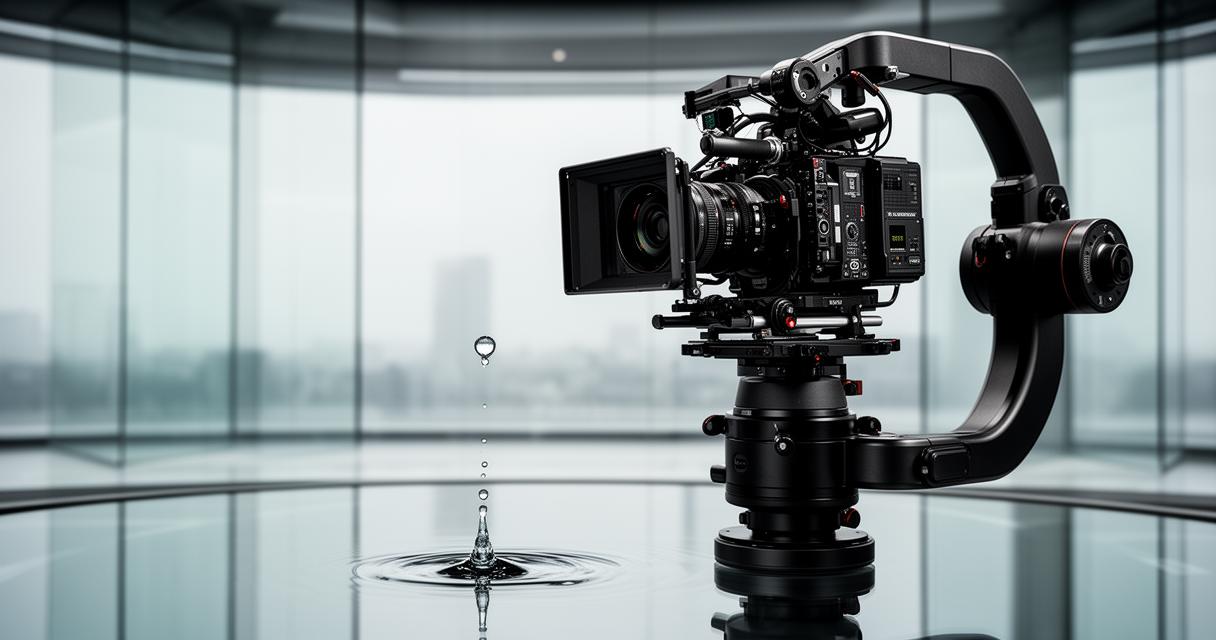
What truly sets the SuperLoupe apart is its sensor architecture, which has been designed to maximise light sensitivity even at blistering shutter speeds. This matters enormously because extreme slow motion recording typically starves the sensor of light, and without clever engineering the resulting footage becomes grainy and unusable. The SuperLoupe counters this with a design philosophy similar to that seen in ultra-compact slow motion cameras, where every component from the lens mount to the onboard memory is optimised for speed without sacrificing image quality. Camera control software plays a pivotal role here too, allowing operators to fine-tune exposure, resolution, and frame rate on the fly, rather than being locked into rigid presets. It's this flexibility that has made the device such a talking point among professionals who previously relied on more cumbersome setups.
SuperLoupe in Professional Practice: Research Applications and Creative Video Production
Scientific and Industrial Research Use Cases for High-Speed Frame Capture
Within research and industrial settings, the appetite for high-speed cameras has grown substantially, and the SuperLoupe has found a natural home in fields such as aerospace, automotive testing, and biomechanics. Engineers studying material fatigue or the behaviour of components under sudden stress depend on frame-by-frame analysis that only high-speed capture can provide. In automotive testing, for instance, crash simulations benefit enormously from cameras capable of freezing motion that would otherwise blur into a meaningless smear. Biomechanics researchers, meanwhile, use similar technology to dissect human movement with a precision that informs everything from sports science to rehabilitation. Data acquisition systems are frequently paired with these cameras, syncing visual footage with sensor readings to build a complete picture of an event as it unfolds in real time.
Pushing Creative Boundaries: The SuperLoupe in Commercial and Artistic Video Projects
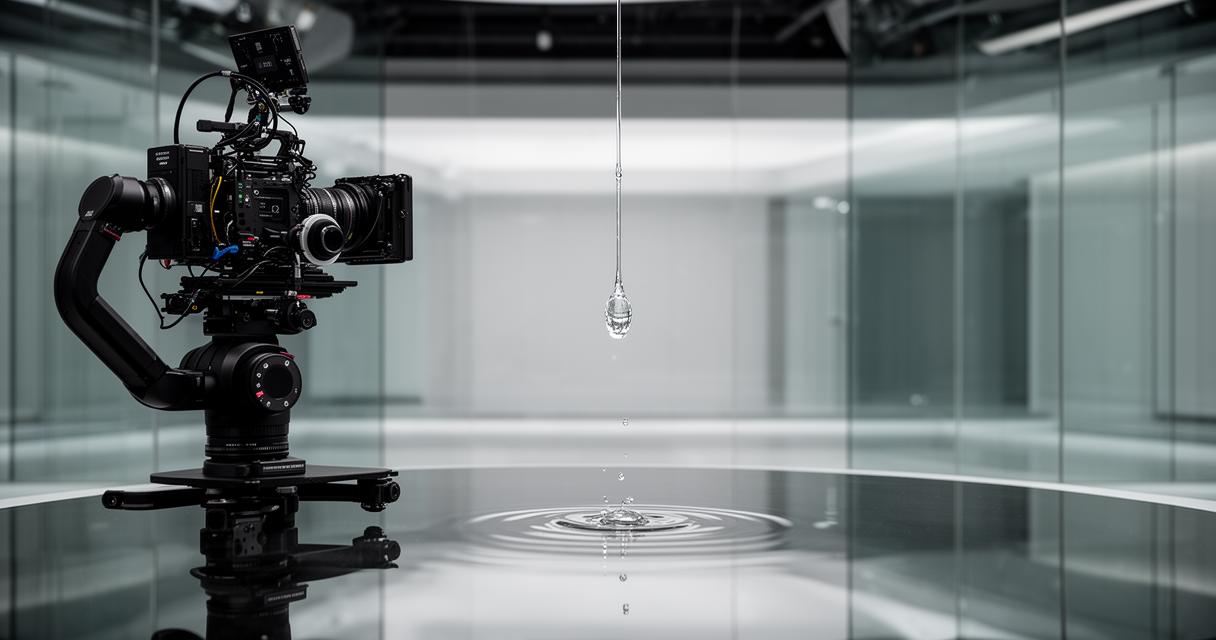
Beyond the laboratory, the SuperLoupe has also carved out a niche among filmmakers and commercial video producers who crave that unmistakable, dreamlike quality of extreme slow motion. Advertising campaigns for drinks, cosmetics, and sportswear have all leaned heavily on this aesthetic, using the camera to transform ordinary actions into moments of visual poetry. Independent artists and documentary makers have similarly embraced the technology, finding that slow motion footage lends an almost meditative quality to otherwise fleeting gestures. Paired with the right camera accessories such as sturdy tripods, specialist lenses, and tailored lighting equipment, the SuperLoupe becomes a genuinely versatile tool capable of straddling both the scientific and the artistic worlds with equal conviction.
Superloupe performance analysis: comparing high-speed camera capabilities against gopro and phantom systems
Frame Rate, Resolution, and Ultra Slow Motion: Where the SuperLoupe Stands Among Competitors
When placed alongside more consumer-oriented devices like GoPro, the SuperLoupe clearly occupies a different tier altogether. GoPro cameras, while impressively compact and rugged, tend to cap out well before reaching the frame rates required for true ultra slow motion analysis. Phantom systems, on the other hand, represent the SuperLoupe's closest rivals in terms of raw capability, often favoured in cinematic productions and high-end research alike. The comparison becomes particularly interesting when you consider offerings such as the i-SPEED 7, which targets the highest resolutions, the i-SPEED 5, which balances speed and size rather elegantly, and the i-SPEED 3, often described as the industry's workhorse thanks to its reliability across countless applications. The SuperLoupe positions itself confidently within this landscape, offering resolution and frame rate combinations that rival these established names.
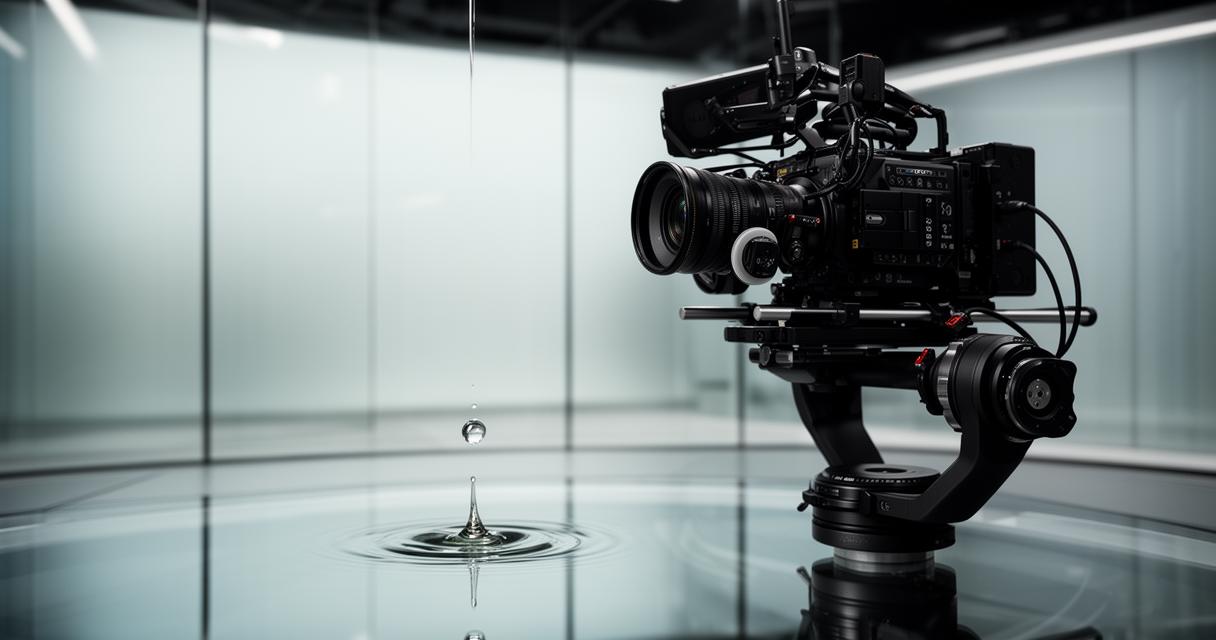
Evaluating recording flexibility and image quality across high-speed camera platforms
Recording flexibility is another area where meaningful distinctions emerge between platforms. Software suites akin to the i-SPEED Control Software Suite 2.0 allow operators to manage camera operations with remarkable granularity, adjusting everything from trigger settings to storage formats without needing to be seasoned technicians. The SuperLoupe follows a similar philosophy, prioritising accessibility so that newcomers aren't overwhelmed while still offering the depth that seasoned professionals expect. Image quality, too, remains consistently strong even under extreme slow motion conditions, a feat that not every high-speed camera manages convincingly. For those seeking guidance, plenty of tutorials, technical support, and FAQs exist to help users get the most from their equipment, while distributors and dedicated support teams ensure that questions about accessories, from CDUe units to JBOX systems, lighting rigs, and DAQ devices, rarely go unanswered. Taken together, these factors suggest that the SuperLoupe isn't merely keeping pace with the likes of GoPro and Phantom, but is genuinely redefining what professionals and enthusiasts alike can expect from a high-speed camera in this current generation of imaging technology.